

OUR BLOG
Beneath the Branches
Tree care tips, local insights, and expert guidance from Denver’s trusted arborists. Whether you're dealing with Emerald Ash Borer, prepping for winter, or planning your next prune, we dig into the details that keep Denver’s urban forest thriving—one yard at a time.

Your trees called. They’d like a winter haircut.
It may feel counterintuitive, but winter is actually one of the healthiest seasons for tree trimming. When trees are dormant—and not busy pushing new growth or showing off their leaves—it’s the perfect time to give them a little shape-up.
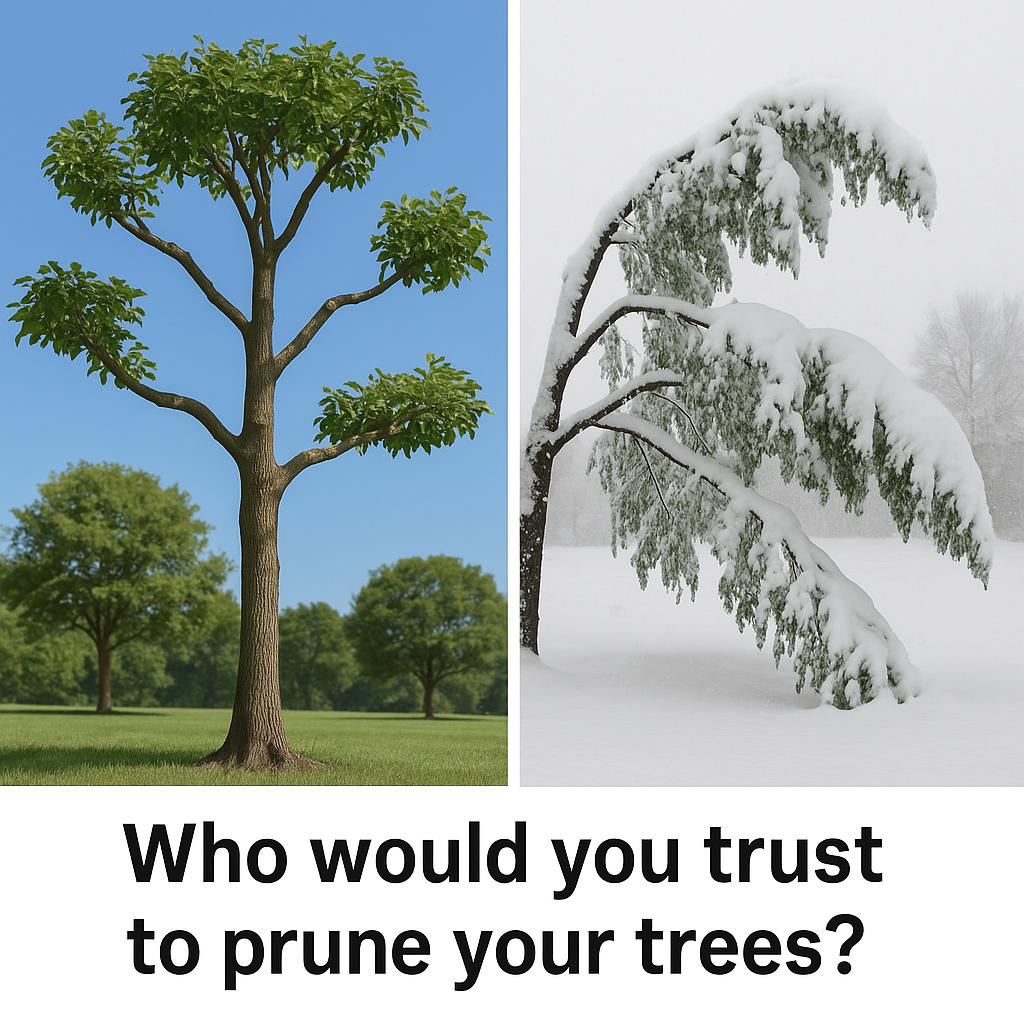
Mother Nature isn’t ISA certified — but we are
Once snow enters the forecast, emergency pruning and storm-damage calls spike—fast. Scheduling now ensures your trees get the attention they need before the weight of winter puts them to the test.
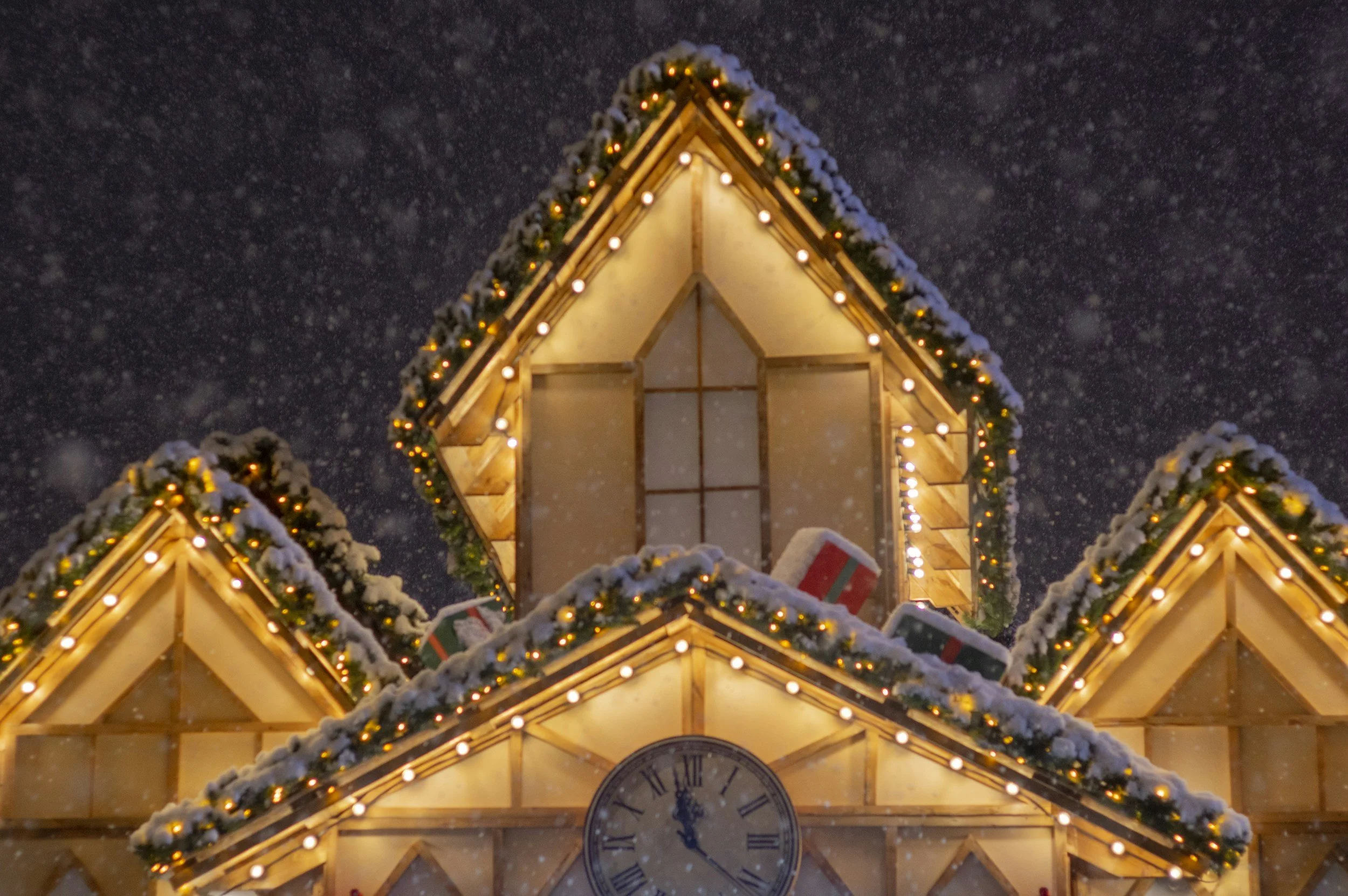
Christmas in July: DLC Now Offers Holiday Light Installation!
DLC is now offering Holiday Light Installations this winter, and we’re kicking things off early with a little Christmas in July cheer.

Help Us Keep Denver’s Urban Forest Growing Strong
Most people know us for pruning, removals, and preventative care—but there’s another side of our work that’s just as important: We plant trees. And lots of them.

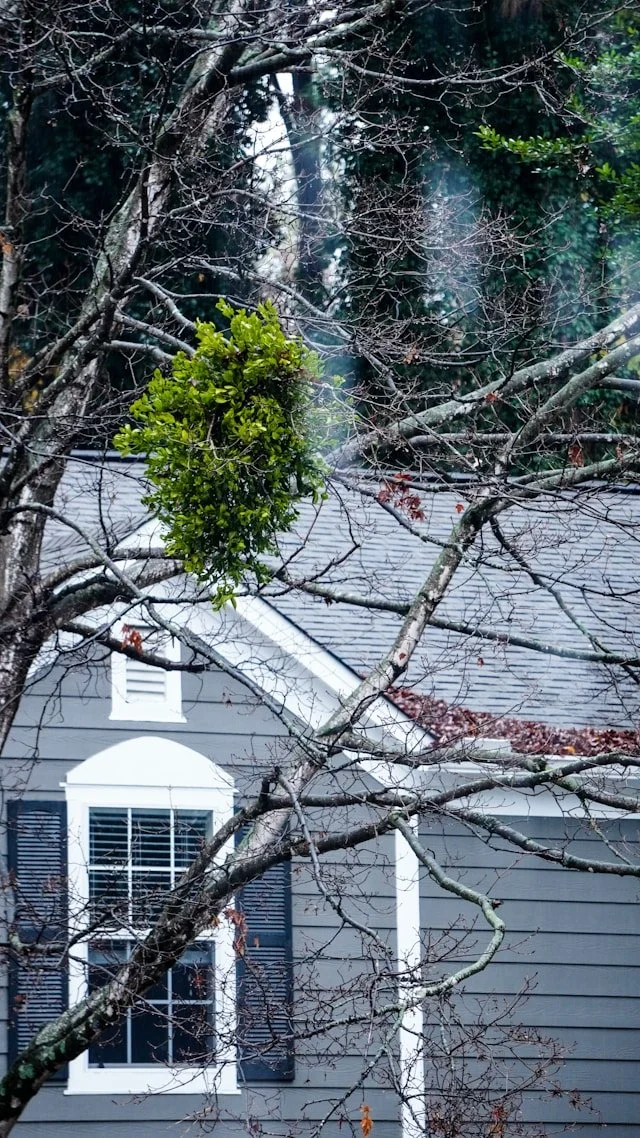
5 Signs It’s Time to Remove That Tree (Before Nature Does It for You)
Your trees are valuable, beautiful parts of your property—but not every tree is meant to stay forever. Whether it’s storm damage, disease, or structural instability, some trees pose serious risks to your home, family, and landscape.

Summer Tree Care Tips for Colorado Homeowners
Colorado summers can be tough on trees. This quick guide shares essential watering tips, pest-watch reminders, and simple ways to keep your trees healthy and stress-free all season long.

Spring Plant Health Care in the Denver Metro Area
As spring arrives in the Denver Metro area, trees, shrubs, and plants awaken from dormancy, requiring proper spring maintenance to ensure your landscape thrives throughout the growing season while protecting against pests, diseases, and environmental stress.

Potential $1 Billion Economic Impact of The Emerald Ash Borer on Denver County
The Emerald Ash Borer (EAB) has killed millions of ash trees, costing billions. Denver could face up to $1B in losses if all its 210,000 ash trees die, with removal costs, lost property value, and replacement expenses. Prevention and treatment are key.

South High Street Trees – Norway Maple
Norway Maples, a popular new tree along South High Street in Denver, grow 60-90 feet tall and have tough bark and bright yellow fall foliage. They're less susceptible to storm damage and are recommended by the Colorado State Extension Service.

Why Do Trees Drop Their Leafs?
The Hippopotamus is the closest relative to the whale, illustrating how species adapt to environments. Similarly, deciduous trees evolved to drop leaves to conserve water and food in dry climates, helping them thrive globally. Denver’s urban canopy has increased humidity.

Biological Control of the Emerald Ash Borer
The Tetrastichus planipennisi wasp, released in Boulder to combat emerald ash borer (EAB), targets EAB larvae by laying eggs that feed on them. With up to 100 eggs per host, it helps slow EAB spread. Other wasps may be introduced this summer for further control.

Winter Watering Your Landscape Plants
Each year brings more warm, dry days into fall and winter, and this year is no different. Though trees slow down in October, they’re still alive. Warm, dry days can wake them, much like poking a hibernating bear. Keep them hydrated and healthy.

Horse Chestnut Trees
Horse Chestnut trees, native to Greece and the Balkans, are known for their spiny seedpods and shiny brown seeds. They grow 40-70 feet tall, bloom with white flowers, and are disease-resistant, making them a charming addition to Denver landscapes.

What Does it Cost to Remove a Tree and Stump?
DLC Arbor Services often gets calls asking about tree removal costs, but pricing depends on many factors and can't be estimated over the phone. It’s like asking the cost to paint a house without seeing it. However, general cost guidelines are available.

Prune Trees Before It Snows Again
The biggest threat to Denver trees isn’t insects or disease—it’s snow on leafed-out trees. Heavy snow in spring or fall can break branches or topple trees, especially those with weak growth or improper pruning. Young trees are especially vulnerable.

Denver’s Spring Snow Storms
Denver’s weather brings late spring and early winter snowstorms, causing tree damage when heavy snow weighs down leafed-out branches. Silver maples and catalpas need regular pruning to stay strong. DLC Arbor prunes, protects, and removes trees.

Cottonwoods in Denver
Cottonwood trees consume 100 gallons of water daily, grow large, drop limbs year-round, and shed cotton in the fall. Maintaining them requires regular pruning, and removal is a major task best handled by professionals like DLC.

My Favorite Trees in Denver – Western Catalpa
Western Catalpa trees thrive in Denver, growing fast with stunning white flowers and long bean pods. They need little water but have brittle branches. Pruning helps prevent breakage. Need tree care? Call DLC.

Surprising Tree Count on South High Street
South High Street’s tree landscape is changing, with 270 trees lining the public right-of-way. Many aging Silver Maples and American Elms are being replaced with Norway and Sugar Maples. Get an expert opinion from DLC.